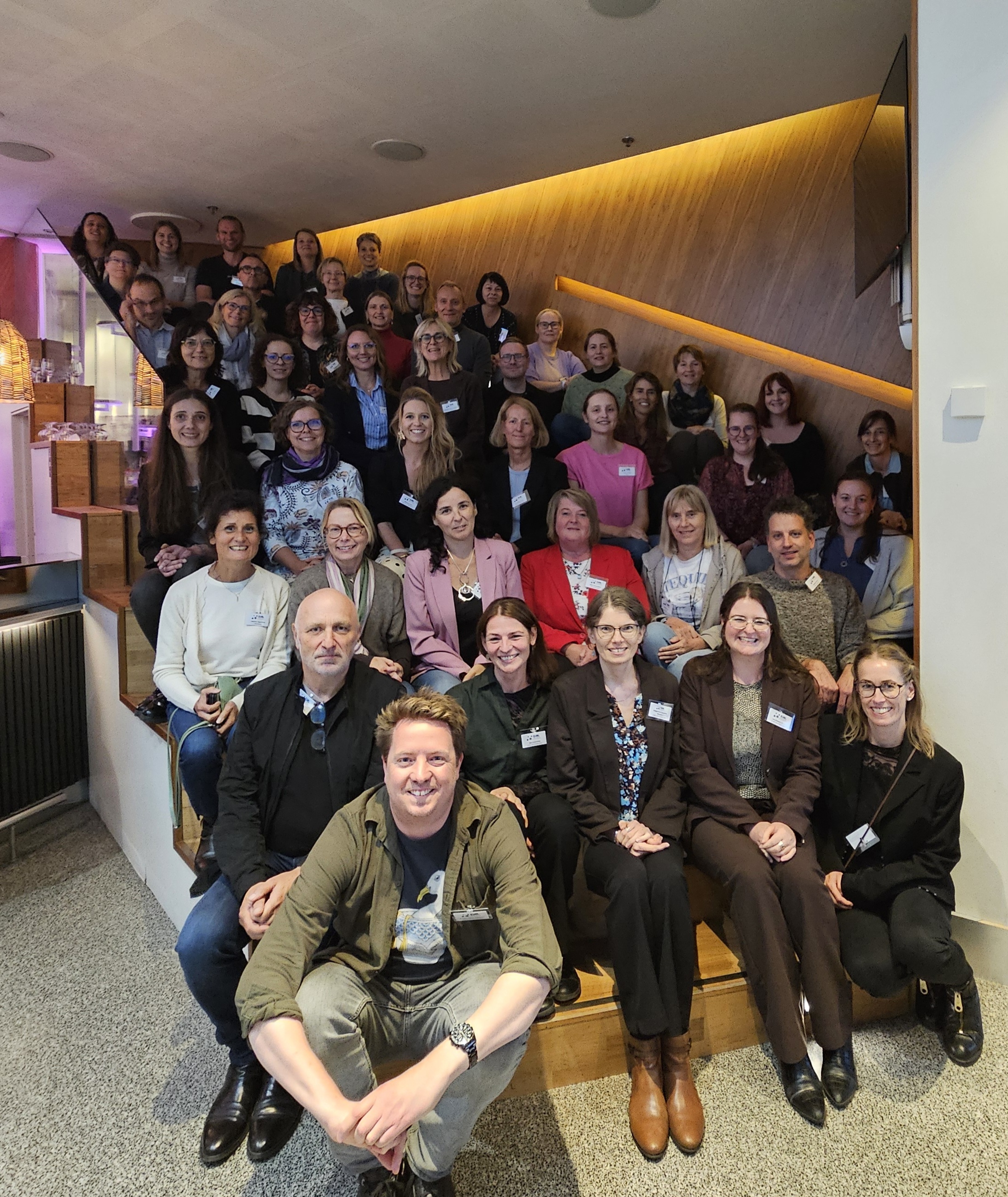
First EURL-PH-FWDB Laboratory Network Meeting: sharing experiences and shaping future collaboration
On 8 - 9 October 2026, the first EURL-PH-FWDB Network Meeting brought together representatives from National Reference Laboratories (NRLs) across 27 EU/EEA countries. Hosted by SSI, which coordinates the EURL consortium, the meeting provided an opportunity to exchange knowledge and experience, discuss common challenges and strengthen collaboration across the European laboratory network.
Laboratory capacity and practices vary across Europe, including diagnostic and typing approaches, access to bacterial isolates, laboratory and analytical capacity, and available resources. These differences can affect the availability and comparability of microbiological and genomic data making coordinated surveillance and investigation of national and cross-border outbreaks more challenging.
During its first year, the EURL conducted a survey to better understand laboratory capacities, practices and needs across the network. Preliminary survey results provided a starting point for discussions at the meeting, with a particular focus on WGS capacity and its use in surveillance and outbreak investigations, as well as challenges related to the increasing use of culture-independent diagnostic tests (CIDTs).
The meeting also provided an opportunity for laboratories to learn from each other and contribute to shaping future collaboration. NRL representatives shared practical experiences of implementing and maintaining WGS capacity and using genomic data in cross-border outbreak investigations. These presentations were followed by discussions on common challenges, possible solutions and areas where collaboration and EURL support could make a difference.
The knowledge and experiences shared during the meeting, together with lessons learned from other EURL activities in 2026, will help guide the planning of activities and priorities for 2027. By supporting laboratory capacity, harmonised practices and collaboration across countries, the EURL aims to strengthen European surveillance and the coordinated detection and investigation of food- and waterborne disease outbreaks.
See meeting agenda (pdf)