Pathogens in scope
Campylobacter spp. (campylobacteriosis)
Campylobacteriosis is the most commonly reported zoonotic disease in the EU, with over 168,000 cases in 2024. It is a bacterial gastrointestinal infection caused by Campylobacter species, commonly found in animals such as poultry, cattle and pigs. In humans, it typically causes diarrhoea, abdominal pain and fever, and is most often transmitted through contaminated food (especially undercooked poultry), raw milk or water.
Campylobacter jejuni and Campylobacter coli are the most frequent species causing disease in humans.
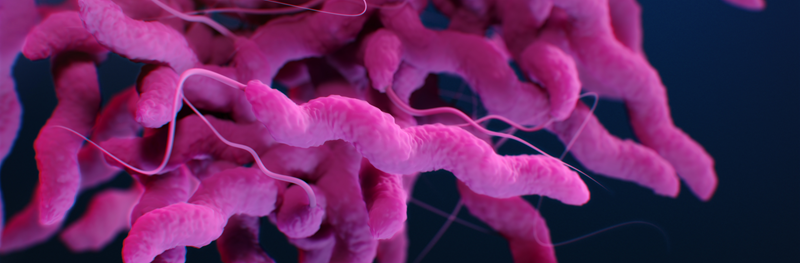
Medical Illustrator Alissa Eckert
ECDC about Campylobacteriosis
Listeria monocytogenes (listeriosis)
Invasive listeriosis is a serious but relatively rare foodborne infection caused by the bacterium Listeria monocytogenes. In the EU, listeriosis is among the most severe zoonotic diseases, with the highest rates of hospitalisation and death despite relatively few cases.
The infection mainly affects pregnant women, newborns, older adults and people with weakened immune systems, and can lead to severe complications such as sepsis, meningitis or pregnancy-related outcomes. People are usually infected by consuming contaminated ready-to-eat foods, unpasteurised dairy products or raw vegetables.
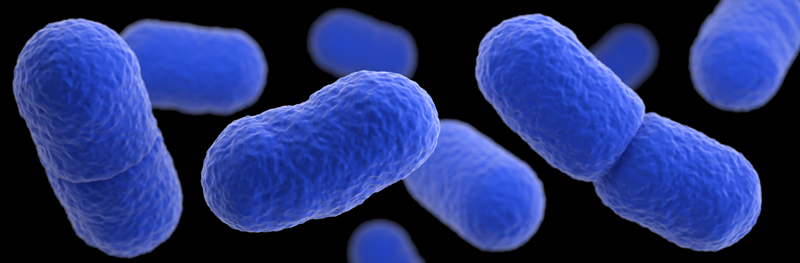
Illustrator Jennifer Oosthuizen
ECDC about Listeriosis
Salmonella spp. (salmonellosis)
Salmonellosis is a commonly reported zoonotic disease in the EU, with over 79,500 cases in 2024.
It is a bacterial gastrointestinal infection caused by Salmonella species, commonly found in animals such as poultry, pigs, cattle and reptiles. In humans, it typically causes diarrhoea, fever, stomach pain, nausea and vomiting, and is most often transmitted by eating undercooked or contaminated food.
Symptoms depend on the amount of bacteria, the immune status of the person and the type of salmonella. They usually appear 12-36 hours after eating the contaminated food.
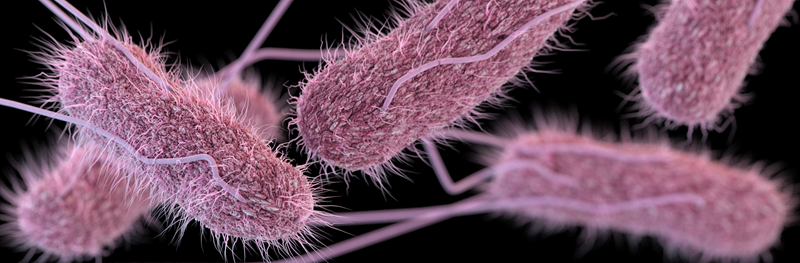
Medical Illustrator: Alissa Eckert
ECDC on Salmonellosis
Shigella spp. (shigellosis)
Shigellosis is a reported zoonotic disease in the EU, with around 7,500 cases in 2024.
It is a bacterial gastrointestinal infection caused by one of four species of Shigella: S. sonnei, S. flexneri, S. boydii and S. dysenteriae. Symptoms can vary depending on the species. Common symptoms are diarrhoea (sometimes bloody), abdominal pain and cramps, fever, nausea, vomiting, loss of appetite, headache or malaise. For S. flexneri and S. dysenteriae symptoms can also include Inflammation and ulceration of the lower part of the bowel. Especially S. dysenteriae can cause more sever disease with higher death rates.
Shigellosis is caught by swallowing material contaminated by faeces, either via the hands or on objects which have been in contact with faeces. Infection can also be caught from contaminated food and water.
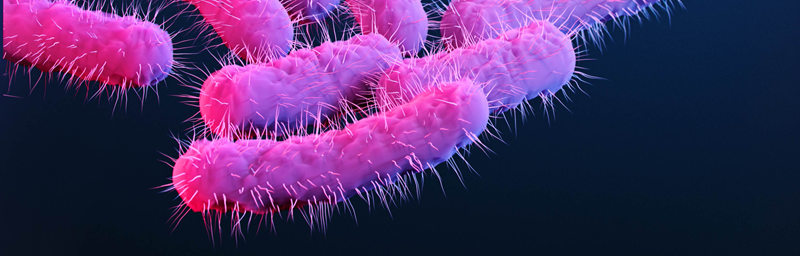
Medical Illustrator: Stephanie Rossow
ECDC on Shigellosis
Shiga toxin-producing Escherichia coli (STEC)
While most E. coli are harmless components of the human and animal gut microflora, Shiga toxin-producing strains (STEC) are significant human pathogens responsible for severe gastrointestinal diseases, such as bloody diarrhea and Hemolytic Uremic Syndrome (HUS).
Although serotype O157:H7 remains the most prominent, non-O157 strains like O26 and O111 are increasingly recognized as major threats.
The primary virulence factor of these bacteria is the production of Shiga toxins (Stx1 and Stx2), which inhibit protein synthesis in host cells; among these, Stx2 is more closely associated with severe human illness. Furthermore, many STEC strains utilize an "attaching and effacing" (A/E) mechanism to colonize the intestinal mucosa, a process genetically governed by the Locus of Enterocyte Effacement (LEE).
The genetic complexity of STEC is further enhanced by the presence in the genome of additional virulence genes harbored by mobile genetic elements, which can be acquired or lost through horizontal gene transfer, favoring the emergence of novel pathogenic clones. As zoonotic pathogens, STEC are primarily harbored by ruminants particularly cattle, sheep, and goats - which serve as asymptomatic reservoirs.
The main vehicles of infection include consumption of contaminated food products especially undercooked ground beef, unpasteurized milk and dairy products, and contaminated raw vegetables such as leafy greens as well as contaminated water and direct contact with infected animals or their environments.
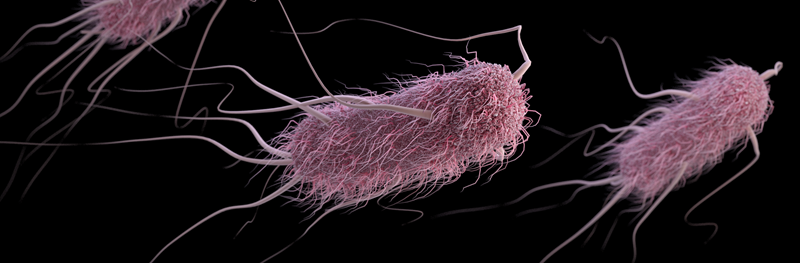
Medical Illustrator: Alissa Eckert
ECDC about STEC
Vibrio spp. (vibriosis)
Vibriosis is an infection caused by Vibrio species, excluding V. cholerae O1 and O139. Although the overall number of reported infections in Europe is low, climate change may increase the risk by creating warmer coastal conditions that favour the growth and spread of Vibrio bacteria.
Around a dozen Vibrio species can cause vibriosis. Symptoms depend on how the infection is acquired. Most people get vibriosis by eating raw or undercooked shellfish, while others become infected when an open wound comes into contact with coastal waters. When vibriosis is acquired through consumption, symptoms typically include watery diarrhoea, abdominal pain, nausea, vomiting, fever, and chills.
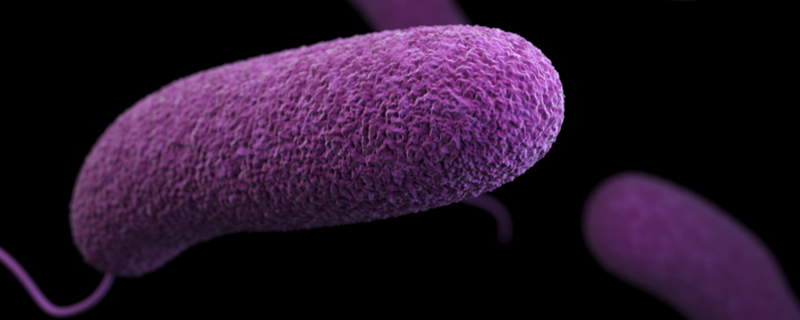
Illustrator: Jennifer Oosthuizen
ECDC about Vibrio infections
About Vibrio Infection Vibrio Infection (CDC)
Yersinia spp. (yersiniosis)
Yersiniosis is a zoonotic bacterial infection and one of the most commonly reported foodborne diseases in the EU, although less frequent than campylobacteriosis and salmonellosis. It is caused mainly by Yersinia enterocolitica, with pigs identified as the primary reservoir, and infection is typically associated with consumption of contaminated food, particularly raw or undercooked pork. In humans, yersiniosis usually presents with diarrhoea, abdominal pain and fever, and in some cases can mimic appendicitis, especially in children. Most infections are mild, but more severe outcomes may occur in vulnerable groups.
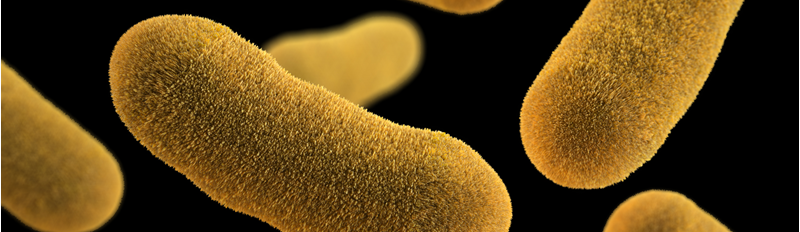
Illustrator: Jennifer Oosthuizen
ECDC about Yersiniosis
Other
In addition to above listed pathogens, the EURL will also focus on other food- and
waterborne bacteria that may require additional attention in the future.